
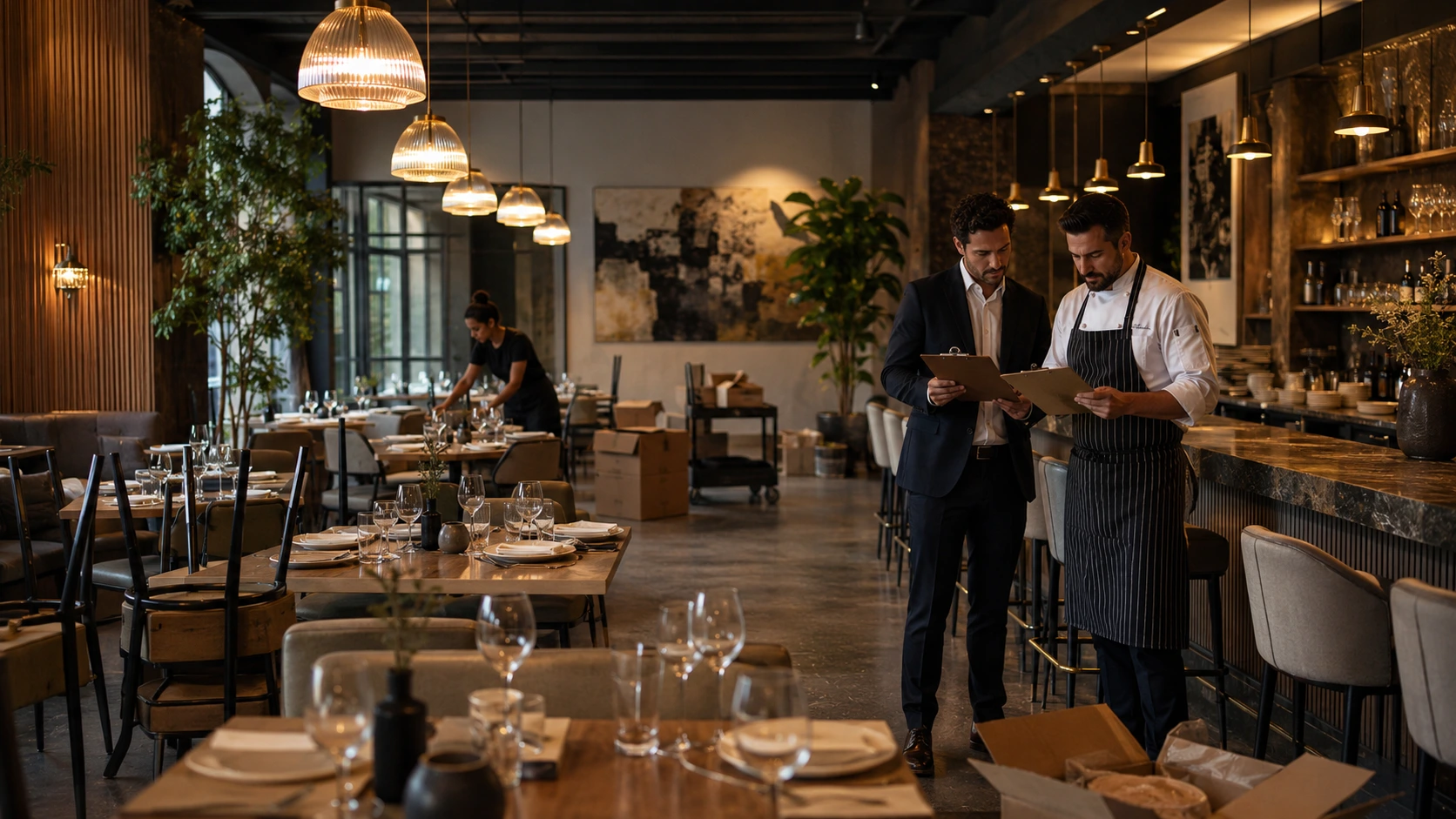
Thirty days is not a comfortable timeline for staffing a restaurant opening. It is, however, a workable one.
What separates a smooth opening from a chaotic one is not the number of days available. It is the sequence. Most staffing failures at new restaurant openings happen for one of two reasons: leadership arrives too late to shape the team, or front-of-house staff is hired before the kitchen is ready to train anyone.
Get the sequence right, and 30 days is enough.
Days 1 to 10: Leadership and the Kitchen Core
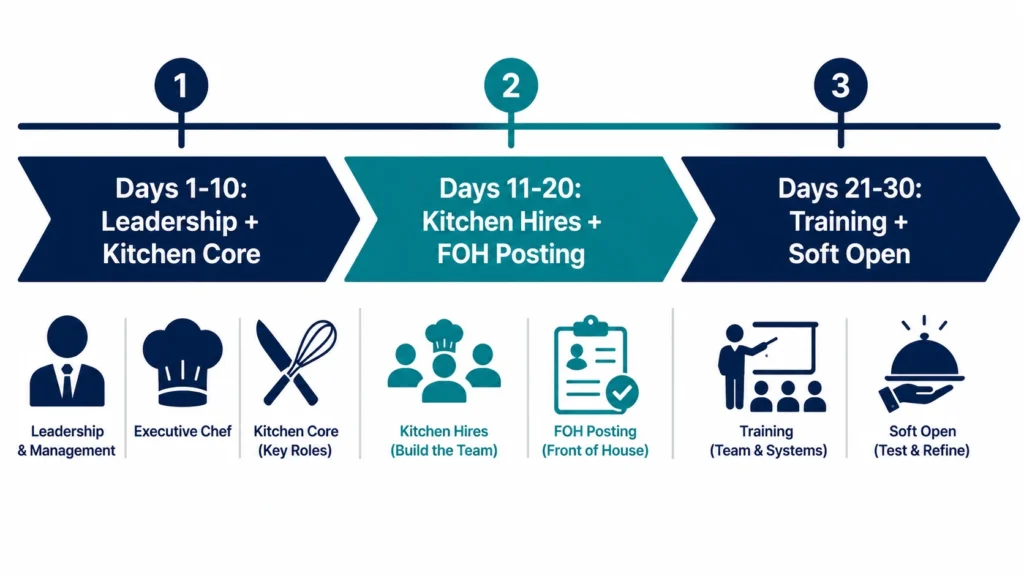
Your general manager and executive chef are not simply the first employees. They are the people who will hire, organize, and set the operational tone for everyone below them. They must arrive first.
If your GM and head chef are not in place by day five, everything downstream slips. Use days one through ten to lock these hires, finalize scheduling structures, confirm the menu, and post kitchen roles immediately.
Kitchen hiring is slower than front-of-house. Line cooks, prep cooks, and kitchen leads need time to absorb the menu before any service begins. According to the National Restaurant Association’s 2025 State of the Industry Report, 77% of operators cite recruiting and retaining employees as a significant ongoing challenge. In the kitchen specifically, the talent pool is tighter. Start here and do not wait.
Days 11 to 20: Kitchen Team Build and Front-of-House Posting
By the second phase, your kitchen hires should be in the active interview or offer stage. Use this window to post front-of-house roles simultaneously: servers, bartenders, hosts, and support staff.
Front-of-house candidates are faster to source and more plentiful than kitchen candidates. That is exactly why they go second in the sequence, not first. Post them too early, extend offers, and then leave candidates waiting while the kitchen team catches up: you burn goodwill before training begins and risk losing the hire.
Set your labor target before you post. Statista’s 2025 food service industry data shows that labor consistently represents the largest controllable cost in restaurant operations, with the industry benchmark sitting at 25 to 35% of revenue. Size your opening team against that number. Overhiring for opening week and then cutting shifts is a reliable way to lose staff before your operation has found its rhythm.
Days 21 to 30: Training, the Soft Opening, and the Real Test
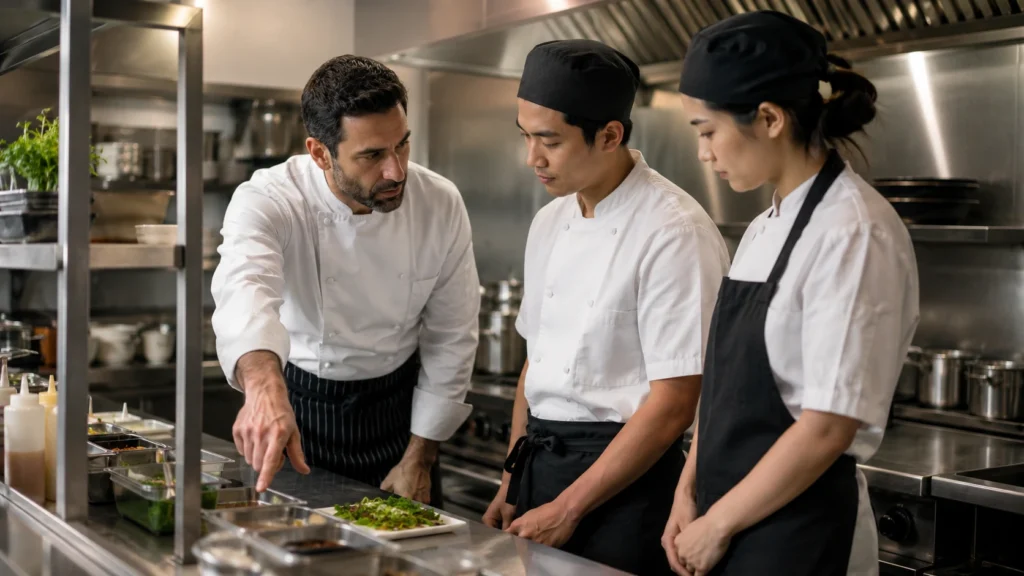
By day 21, your core team should be in place and training should begin. Do not skip the soft opening.
A friends-and-family service two to three nights before public opening is not a formality. It is a staffing test. You will find which stations need reinforcement, which communication systems break under live conditions, and which hires are not going to work out before a single public review is written.
Use the final days to observe, correct, and fill any critical gaps identified during soft service. A hire that looked strong in an interview but struggles in a real service environment is information you want before opening night, not after.
The One Sequencing Mistake to Avoid
Hiring front-of-house before the kitchen is ready to train them is the most common error in restaurant openings.
Servers who arrive three weeks before your kitchen team has settled in cannot learn the menu, cannot learn the pacing, and cannot absorb what kind of service the kitchen’s tempo allows. They will either disengage while waiting or leave for an opening that is already moving.
According to Bloomberg’s coverage of the post-pandemic restaurant labor market, the sector has recovered its pre-2020 headcount, but skilled kitchen talent remains the most contested category in food service hiring. You are not the only opening in your market. The kitchen team cannot wait.
Staff the kitchen first. The dining room follows.