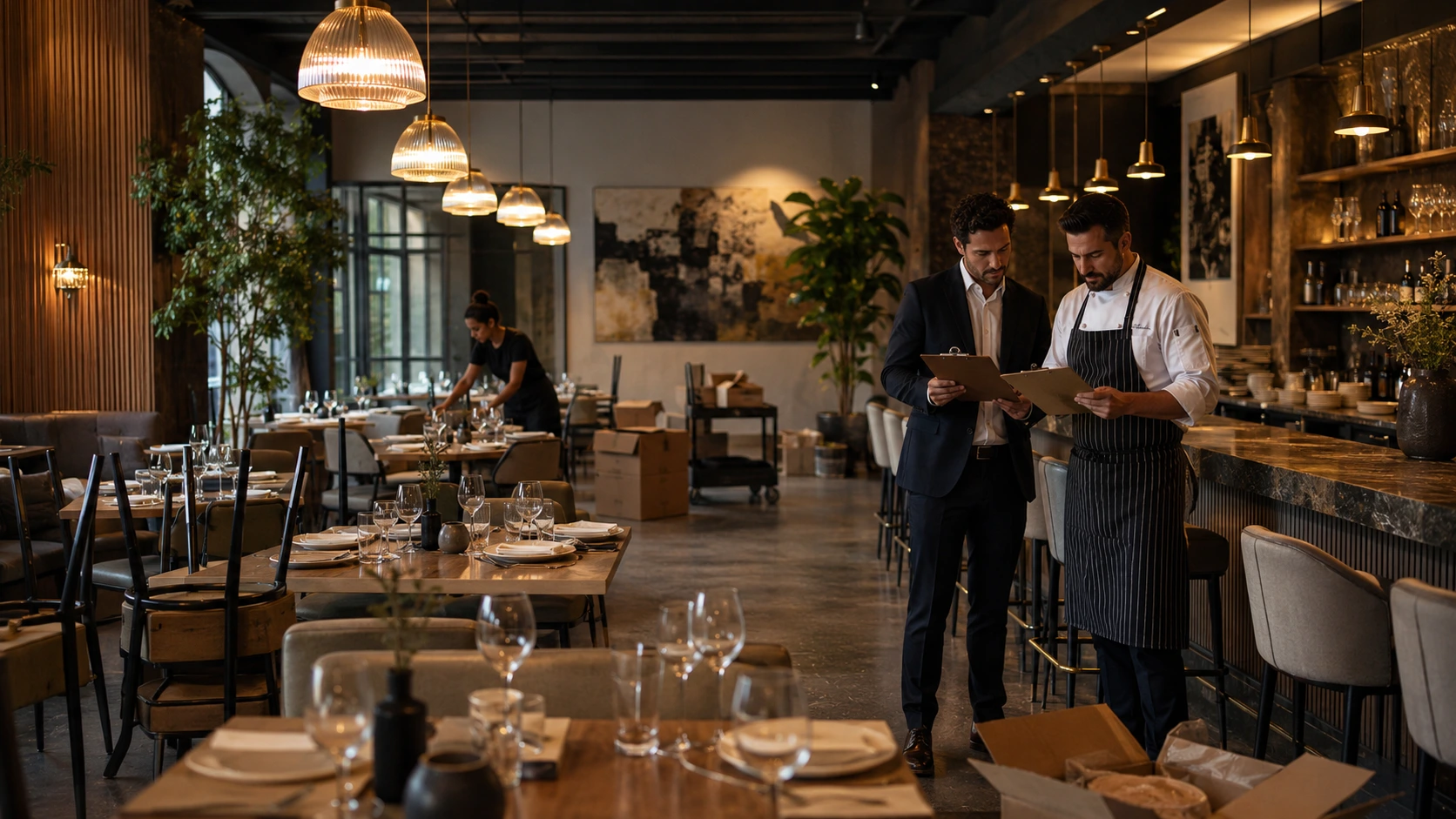

The hardest role to fill in the restaurant industry is not the general manager or the sommelier. It is the line cook.
According to the National Restaurant Association’s 2025 State of the Industry Report, 59% of restaurant operators reported difficulty hiring chef and cook positions, the highest rate of any role tracked. Kitchen staff sit at the center of every service. They are also the roles with the highest early exit rate.
Back-of-house turnover runs between 43% and 60% annually depending on the concept and market. Replacing one kitchen employee costs between $2,300 and $5,000 once recruiting time, trainer pay during the 40 to 60 hour onboarding window, and the productivity loss during ramp-up are all counted. Most operators respond to this by trying to hire faster. The better response is to hire differently.
Why Kitchen Staff Leave So Fast
Kitchen exits rarely happen because the job was too hard. They happen because the job was harder than expected.
A cook who was told about the pace, the heat, the weekend schedule, and the communication style of the chef, and accepted the role anyway, is far more likely to stay than one who discovered those realities after they started. The first 90 days determine whether a kitchen hire becomes a long-term contributor or your next replacement search. Most avoidable exits begin at the interview table.
What to Screen For

Skills can be taught. Tolerance for pace, pressure, and repetition cannot.
Ask about it directly. How do you handle a Friday rush when tickets are stacking? What is the longest back-to-back shift schedule you have worked? What was the management style of the best kitchen you have worked in?
The answers matter less than whether the candidate treats these as normal working conditions or as concerns. A cook who pauses when asked about consecutive weekend doubles is giving you useful information.
Check job tenure. A candidate with four kitchen jobs in 18 months is a signal. A candidate who stayed two years at one restaurant, even a modest one, is worth a second look. Stability in a high-turnover environment is a trait, not a coincidence. It is also one of the most underused filters in kitchen hiring.
What the Role Actually Needs to Offer
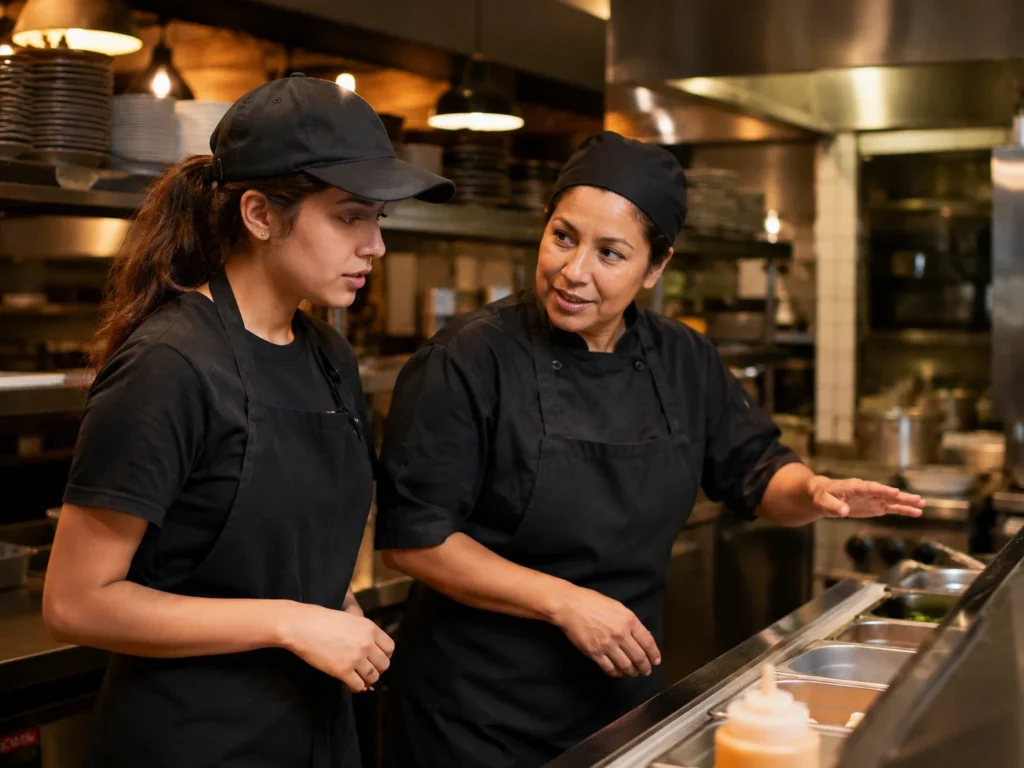
The cooks who stay are rarely chasing top-of-market wages. They want a consistent schedule, a chef they can communicate with, and some sense of what the next 12 months look like for them.
- According to the U.S. Bureau of Labor Statistics Occupational Outlook Handbook, cooks cite irregular hours and physically demanding conditions as the primary factors in job exits — both of which are within an operator’s control to address. Schedule predictability and clear advancement paths cost nothing structurally. They require operational intention.
- SHRM’s research shows that schedule consistency and visible growth opportunity are among the most effective retention signals across all industries. The kitchen is not an exception.
The Hire That Sticks
The cook who shows up and stays was hired by someone who described the real job, screened for the right temperament, checked references from previous kitchen environments, and gave them a reason to stay before their first week ended.
None of this is complicated. It is uncommon. That gap is the opportunity.